
Your Safety Is Our Priority

Fire Safety Tips

Practical fire safety advice to help reduce risk, support compliance, and keep your premises protected.

SAFETY TIPS

Everyday Actions That Support Fire Prevention

Fire prevention starts with everyday habits. While professional fire suppression systems, alarms, and extinguishers are essential, staff awareness and good housekeeping play a major role in reducing fire risk.

Firecom Suppression Systems has created these practical fire safety tips to help commercial kitchens, hospitality businesses, and commercial premises improve safety, support compliance, and reduce the likelihood of fire.

our solutions

Staff Training and Awareness

Staff should understand the fire risks in their working environment and know what to do in an emergency. Training should be provided for new starters and refreshed regularly.

Important topics include:

  • How to raise the alarm
  • Evacuation routes and assembly points
  • How to identify common fire hazards
  • When not to tackle a fire
  • How suppression systems work
  • How to report damaged equipment
  • Why exits, extinguishers, and manual call points must remain accessible

UK guidance confirms that responsible persons should provide staff with fire safety information, instruction, and training.

Kitchens

Kitchen Safety Practices

Commercial kitchens need strict housekeeping because grease, oil, heat, and flames can quickly create hazards.

Recommended practices include:
  • Clean grease from cooking surfaces regularly
  • Keep extraction filters clean and maintained
  • Do not allow combustible materials near cooking appliances
  • Avoid overfilling fryers
  • Monitor oil temperature carefully
  • Switch off equipment when not in use
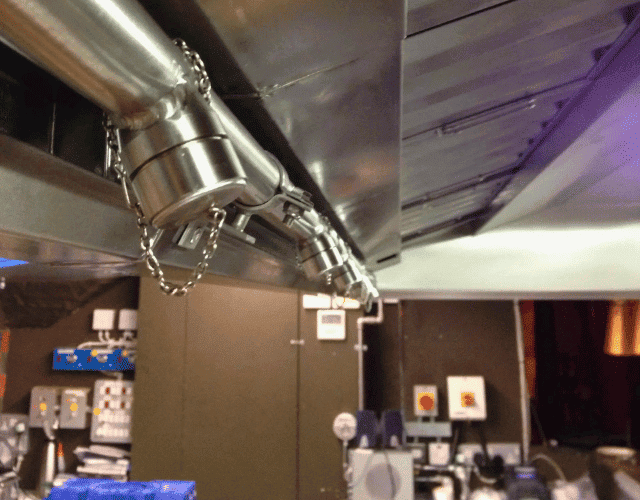
  • Keep nozzles and detection components unobstructed
  • Report changes to appliance positions or kitchen layouts

If your kitchen has a fixed fire suppression system, make sure staff know not to block nozzles, tamper with components, or move protected appliances without professional advice.

kitchen fire suppression
Storage

Safe Storage of Flammable Materials

Flammable and combustible materials should be stored safely and away from ignition sources. This includes cleaning products, packaging, oils, aerosols, cloths, paper goods, and waste materials.

Good storage practices include:

  • Keeping storage areas tidy
  • Separating flammable products from heat sources
  • Using appropriate containers
  • Disposing of oily cloths safely
  • Avoiding clutter near electrical equipment
  • Keeping plant rooms and service areas clear

Emergency

Emergency Preparedness

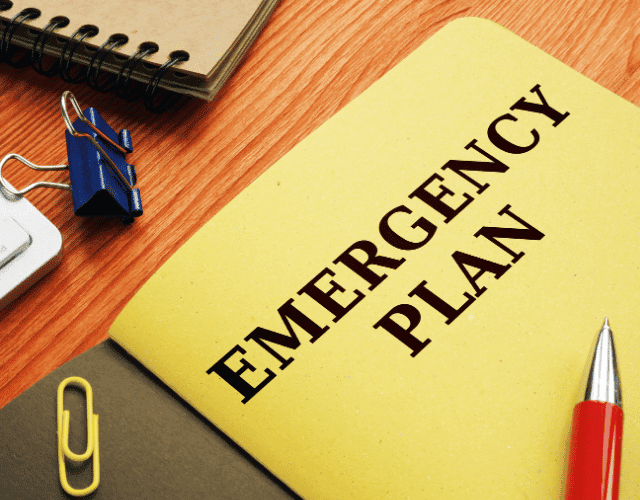
Every business should have a clear fire emergency plan. Staff should know how to respond quickly, calmly, and safely.

Your emergency planning should include:

  • Clear evacuation routes
  • Visible fire exit signage
  • Regular fire drills
  • Accessible call points and extinguishers
  • Emergency contact details
  • Procedures for vulnerable people
  • Routine checks of alarms and emergency lighting
  • A process for reporting fire safety concerns

emergency preparedness
Fire Suppression System Checks
Checks

Fire Suppression System Checks

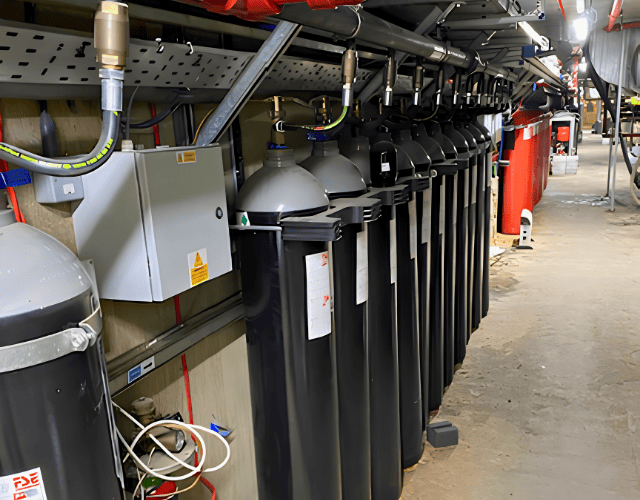
Although detailed servicing should be carried out by competent professionals, staff can still help by visually checking for obvious issues. For example, they can report damaged nozzles, blocked access, missing signage, unusual gauge readings, or evidence that equipment has been moved.

Never attempt to dismantle or repair a suppression system yourself. Contact Firecom Suppression Systems for inspection, servicing, and repair.

Contact Us

Build a Safer Workplace

Good fire safety is ongoing. Combine professional equipment, regular maintenance, staff training, and strong housekeeping to reduce risks and improve your business’s resilience.

For expert advice, kitchen fire suppression servicing, or a fire safety review, contact Firecom Suppression Systems today.